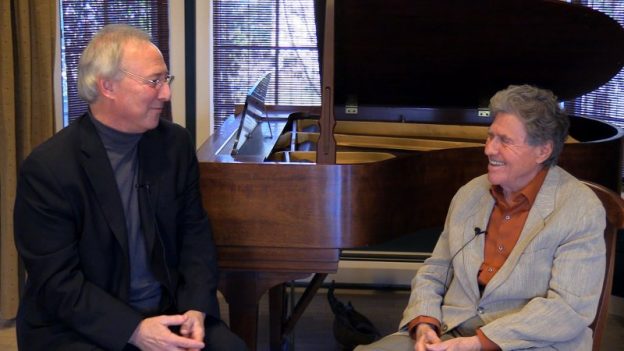
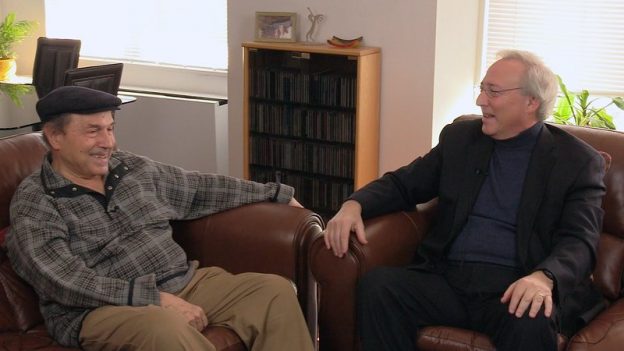
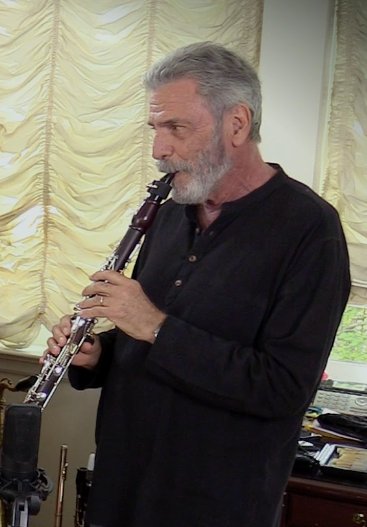
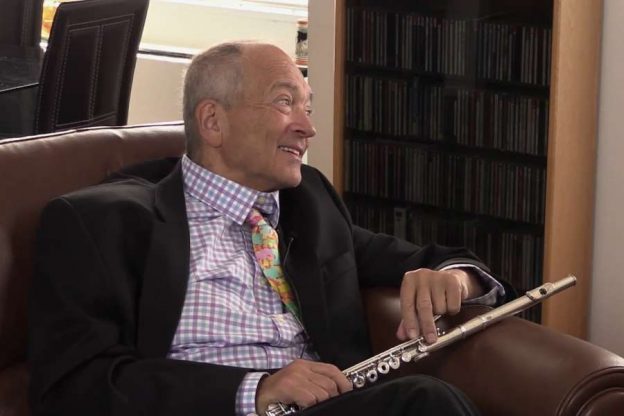
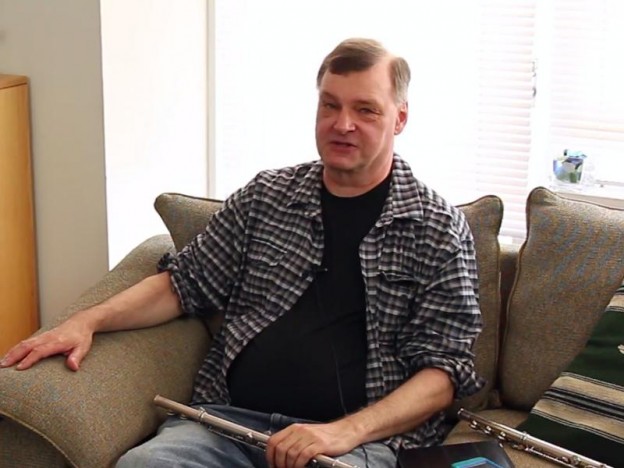
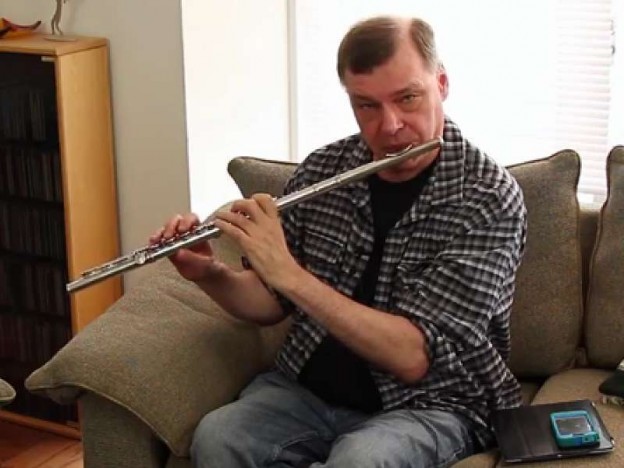
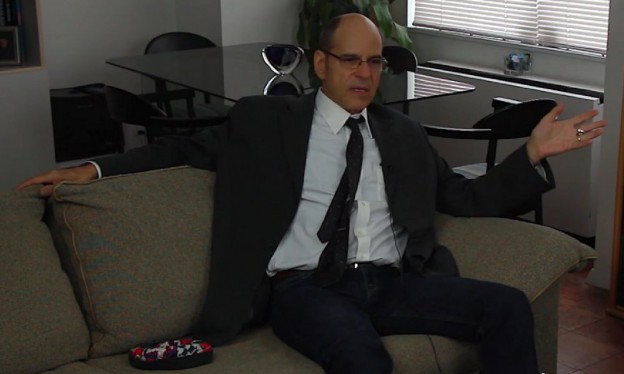
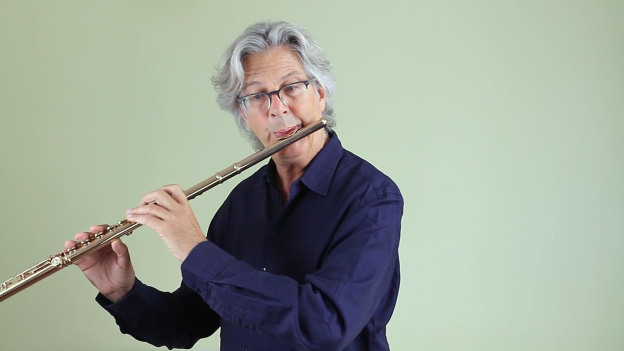
Paul Edmund-Davies has been a major figure in the flute world for over four decades. As a performer, he has been principal flute of three premier British orchestras yet you’ll find he is not your typical orchestral musician. His eclectic musical taste evidenced by an affinity for such diverse artists such as David Bowie, Ben Webster, Snarky Puppy, Jean-Pierre Rampal and Pat Metheny is reflected in the joy and humor in sharing his thoughts and ideas. I believe this has allowed him to develop studies outside of the norm that touch upon every aspect of developing a fine technique and expression.
Tag: Woodwind Legacy Series
Video Interviews with renowned woodwind artists and music industry professionals.
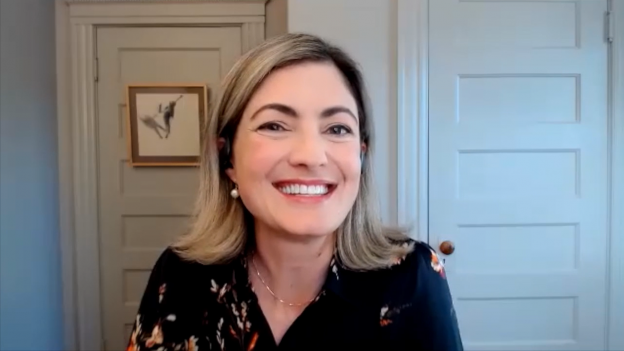
I have been a fan of the BSO for many years having enjoyed their performances at Tanglewood, Symphony Hall and Carnegie Hall as well as their many wonderful recordings. Former principal clarinetist Harold Wright has been a hero of mine forever and current principal clarinetist Bill Hudgins is my personal favorite performing today. (Bill is also a friend and can be heard discussing his career on this website at https://staging.joffewoodwinds.com/videos/william-hudgins-principal-clarinet.) All of which has led me to be able to hear Elizabeth Rowe’s performances over many years with the BSO and the Boston Chamber Players. I have come to love her playing and admire her “chutzpah” in standing up for what is right regarding women’s rights. Continue reading
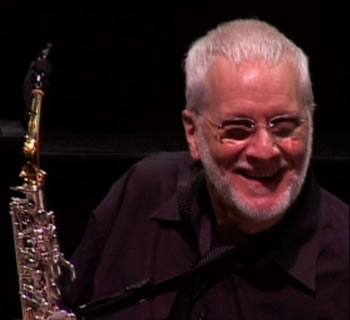
George Young was one of those reed players that my generation of commercial woodwind doublers grew up in awe of. His prowess as a saxophonist is extraordinary, a virtuoso following in the footsteps of legendary players such as Rudy Wiedoeft, Jimmy Dorsey, Sigurd Rascher, Earl Bostic, Al Gallodoro, and Jimmy Abato. However, George is more than just a carbon copy of these artists. He has carved out his own unique path with distinctive sounds on soprano, alto & tenor saxophones that reach across many musical genres. In addition, his command of the flute & clarinet along with his ability to play eloquently in all styles helped place him at the top of the New York studio scene for over 30 years. This interview was one that I had been hoping to do for several years and the ability to conduct this interview through Zoom made it all possible. George was a very engaging interviewee and shared numerous stories of his childhood growing up in Philadelphia and studying with Carl Waxman; the formative years as a professional Continue reading
I met Tom 15 years ago when he was the pianist in a group that accompanied Eddie Daniels on a weeklong gig in NYC. We became fast friends and have remained so to this day. Tom is not only one of the finest musicians in the business today, but also one of the most self-effacing and elegant people. He is a total team player, which explains some of the reasons for his success and why so many top singers and music directors have requested him. In addition to his prodigious instrumental talents, he is a superb arranger. During an early visit with him in NY years ago, Tom needed to write 15 minutes of music for Dancing With the Stars on a Saturday for the following week’s show. He needed to send it to L.A. that day in Continue reading
Gary Gray has had an illustrious 50-year career as a clarinetist, saxophonist and music educator. A first-call clarinet session player in Hollywood for many decades, he has been heard by millions of listeners via his work on movie scores by Thomas Newman, Elmer Bernstein, Jerry Goldsmith, John Williams, Lalo Schifrin, Henry Mancini, James Horner, Randy Newman, Dave Grusin, etc. in addition to television shows such as My Three Sons, Jag, The Simpsons, and 100 Centre Street. A former member of both the Kansas City Philharmonic and St. Louis Symphony, Gary has been active throughout his west coast career as a chamber musician. Continue reading
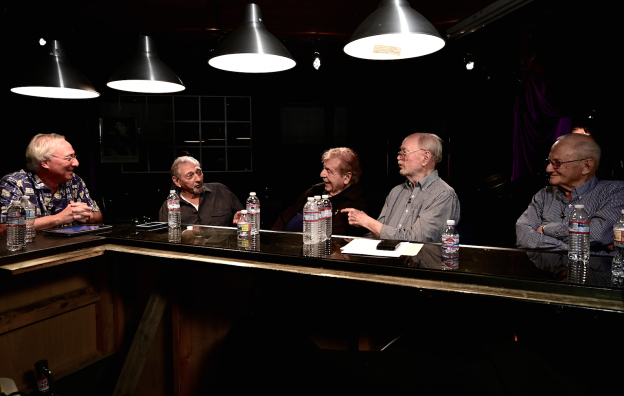
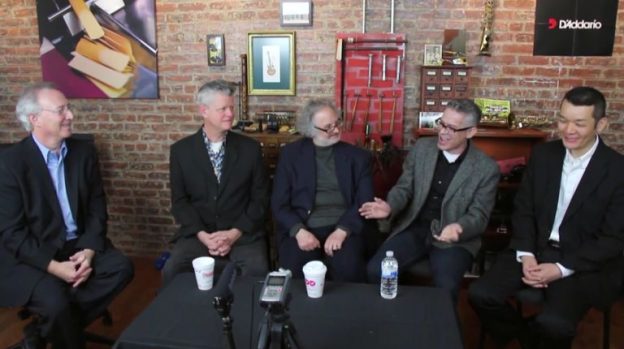
Gary Foster, Gene Cipriano, Ronnie Lang and Don Ashworth are representative of a period when recording musicians were expected to be equally fluent in jazz, commercial & classical styles of music. This interview allows us to hear the inside story of their careers and how they succeeded in the most stressful and competitive sector of the music industry…. Continue reading
Dan Higgins has established himself over the past 40 years as a woodwind virtuoso versatile in every conceivable musical genre. He has worked with literally every major jazz and pop artist and been a favored player for such composers as Quincy Jones, John Williams… Continue reading
I first heard Ken Peplowski some 30 years ago when I purchased his 2nd album as a leader, Sonny Side. I was blown away by his clarinet virtuosity (“Ring Dem Bells”) and his beautiful approach on tenor sax (“Bright Moments”). His very different approaches to sound and styles on these instruments is rare among great clarinet/sax players and led me to stay abreast of his recordings and development… Continue reading
I first met Bob Mover in 1978 when I began to study with him. As you will hear in the interview, Bob is a great storyteller whose path to becoming a world-class jazz musician is unusual. I have always thought of Bob as one of the most honest and accomplished jazz improvisers I have ever witnessed. He is someone who is truly committed to the music as a performer and has never wavered from this focus…. Continue reading
My introduction to live jazz big band playing was hearing the Thad Jones/Mel Lewis Jazz Orchestra at the Village Vanguard in 1971. The experience hearing that band with its magnificent saxophone section in the Vanguard was life changing. Sitting in front of Jerry Dodgion, Ed Xiques, Eddie Daniels, Billy Harper, and Pepper Adams with Thad leading the band and Mel playing drums was one of the greatest experiences I’ve had in music. I continued to follow the band throughout the years and observed how things changed… Continue reading
I first heard of Jeffrey when we were both students at The Juilliard School. While I was a saxophone major at that time, I was also studying flute very seriously with Tom Nyfenger and becoming more enamored of the flute repertoire, pedagogy, recordings, and great performers on the instrument. The flute class at Juilliard was particularly inspiring during those years with Julius Baker and Sam Baron serving as the flute instructors. I frequently attended flute recitals and asked questions of the flute majors to learn more. The practice rooms at Juilliard were particularly hard to get into since the pianists & violinists seemed to live in them 24/7. While typically waiting for a room to open, Continue reading
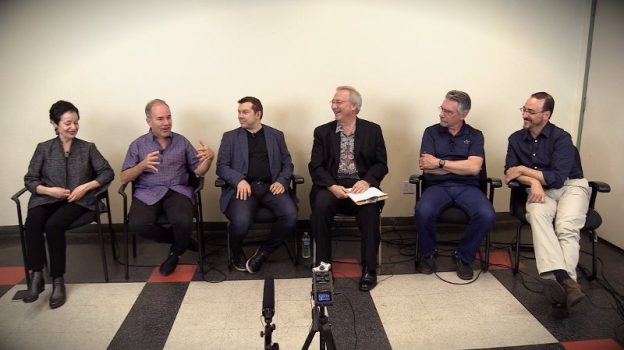
The musical theater is the major employer of woodwind doublers in today’s music industry. As a result, I feel that doublers and all woodwind players need to know as much as possible about the musical environment that surrounds any show. This led me to consider an interview with the musical team involved with Anastasia, the show with which I’m currently playing. During my career, I have been involved in many Broadway productions and been witness to the ups and downs of a steady Broadway gig. Often, egos and industry politics can dominate the environment and make coming to work anything but a musical experience. However, during the run of Anastasia, I have experienced first-hand how positive an experience a show can be Continue reading
I first heard Steve “live” while he was subbing on the Vanguard Jazz Orchestra and subsequently started listening to him. It was clear that he was the real deal—an improviser who had studied the music and his instrument with great thoroughness. Steve has his own voice on saxophone while reflecting the influences of many of Continue reading →
Growing up in New York and having lived in the city my entire life, I had a chance to see and hear Stanley Drucker play hundreds of times. He was our hometown kid who made good and always seemed to succeed regardless of any musical challenges he faced. His musical commitment, confidence, passion, personality and energy were ever present and you could always count on him to deliver an inspired performance. His love for the clarinet and music is still apparent, nine years after retiring from his job with the Philharmonic. Stanley continues to practice and perform throughout the world and be involved with his instrument on a daily basis. He goes to concerts and stays abreast of clarinet happenings by attending Continue reading
I first heard about Bobby from my first clarinet/saxophone teacher, Joseph Porcelli, who was Bobby’s father. Mr. Porcelli was a first-class gentleman who played the woodwinds beautifully and always conveyed his love of playing them in our weekly lessons. He was never one to ever boast about his abilities or accomplishments and was egoless. One day when my mother asked him how Bobby was doing and if he was good enough to survive in the music industry, he replied: “He’s REALLY good.” As I learned years later when I was able to study with Bobby and play with him, that was a huge understatement. That same sense of unassuming, quiet elegance that Mr. Porcelli manifested is present in Bobby. Continue reading
I first heard of Eddie Daniels when I began my woodwind studies with Joe Allard in 1971. Joe recommended that I go to hear Eddie play with the Thad Jones/Mel Lewis Orchestra at the Village Vanguard on a Monday night when he realized my desire to play jazz on clarinet. Hearing that band up close and listening to Eddie play jazz clarinet were life-changing experiences. Subsequently, I heard him featured on tenor sax nightly with the Dick Cavett Show big band on ABC and decided that I wanted to follow that career path-that of a studio musician. When I began studying with him, I soon realized the very high level of musicianship that was required to succeed as a multiple woodwind specialist. It was also clear that Eddie not only possessed a huge talent but also was the most dedicated instrument-practicer I had ever met, obsessed with improving and mastering his instruments. He was very clear and honest as a teacher and had the ability to immediately recognize and solve whatever musical or instrumental problems I was experiencing. The levels of excellence that he performed with on saxophone/clarinet/flute raised the bar for all doublers. Continue reading
I first met Paul when I was an undergraduate at Queens College, CUNY. I was a saxophone/clarinet player who had recently become interested in learning the flute and had been impressed by the performances of Paul as well as his students. I had about one year’s worth of experience playing the flute when he agreed to accept me. It changed my life. He introduced me to the Maquarre Studies, Telemann Methodical Sonatas, Anderson etudes, etc. as well as making me aware of Rampal, Baker, Galway, Kincaid, Larrieu, Nicolet, etc. He spent a Saturday morning at a Manhattan music store picking out a new flute for me and wouldn’t accept any payment for his time. Continue reading
I have always been a fan of the Boston Symphony Orchestra, attending their performances in New York, Boston and at Tanglewood as well as owning many of their recordings. As a woodwind player, I was particularly attracted to the sophisticated elegance of the woodwind sections in that orchestra throughout my adult life and in particular, Continue reading →
I first listened intently to Ron Odrich when I purchased a Music Minus One recording, “Wood on Wood,” in the 1970s that had copies of his solos transcribed by Buddy DeFranco. Already infatuated by DeFranco, Goodman, Shaw & Eddie Daniels’ jazz clarinet playing, I quickly became acquainted with the good doctor’s performances and have remained a fan for the past 40 years. He has become a personal friend and neighbor as well over the past decade and I treasure his knowledge and input on musical and worldly issues–even when we disagree! His commitment to seek improvement in his music making continues to inspire all who know him. His deep understanding of the physiological forces that influence air and tone production that he shares with us in this interview are sure to provide many with a new perspective for playing wind instruments. Continue reading
I have known Ted for many years and always regarded him as one of the finest musical talents of my generation. His ability to use various disciplines to inspire his music (art, literary contexts, speeches, etc.) reflects his continuing interest in the world and our society. I have had the opportunity to play with him in commercial situations and always respected his humble, positive attitude and prodigious talent. I have also seen Ted in music education scenarios and he is equally committed to helping young players develop and carry on the tradition of superlative music making that he and his family have given us through the years. Quite simply, Ted is a musician’s musician. Please check out more information about this unique artist on his website at tednash.com. Continue reading
I first heard Lew Tabackin play on an album called “Introducing Duke Pearson’s Big Band,” released in 1967. Lew took an extended tenor solo on New Girl that remains to this day one of my favorite sax solos within the context of a big band. Since that experience, I have purchased many albums with Lew Continue reading →
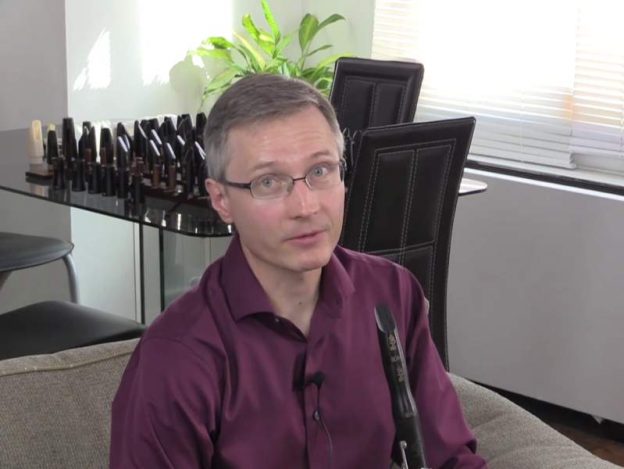
In this video interview, clarinet mouthpiece maker Brad Behn discusses his innovative mouthpiece designs along with his new barrels and bells. I first met Brad a little over 10 years ago when a former teacher of mine, Ron Reuben of the Philadelphia Orchestra, introduced me to his work. Brad’s desire to create a mouthpiece using Continue reading →
I had heard about Joe Soldo from my saxophone/clarinet teacher, Joe Allard, some 40 years ago. Soldo was Allard’s dear friend and favorite pupil—a term Mr. Allard liked to use. When I finally met Joe Soldo 12 years ago, I understood why Joe Allard liked him so much. It wasn’t just that Joe Soldo played Continue reading →
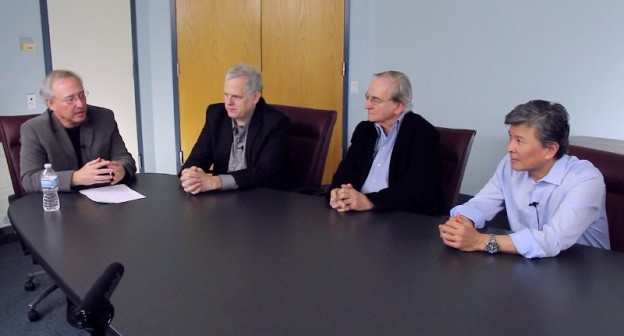
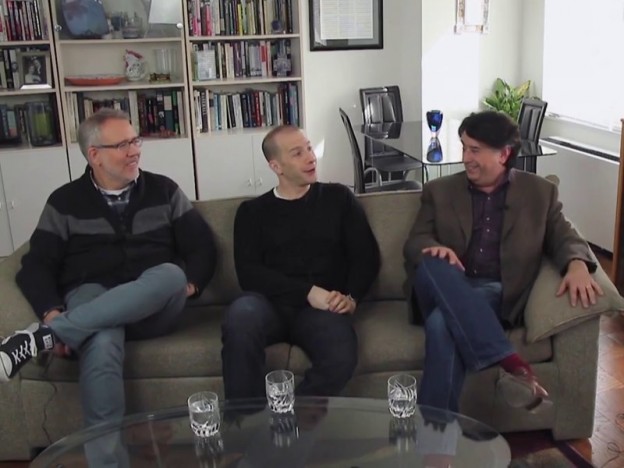
Expert woodwind repairmen are among the most important professional associations for any performing artist. They often are the difference between having a good performance or a great one and allow us to achieve our potential. In this video, we examine the careers and artistry of four of the most respected woodwind repair technicians in the business—Mark Jacobi, Bill Singer, Tomoji Hirakata & Tony Salimbene. For anyone pursuing a career in woodwind performance, these repairmen should be familiar names. They come together here for the first time to share their insights and secrets in an inspiring roundtable discussion of their profession. Continue Reading →
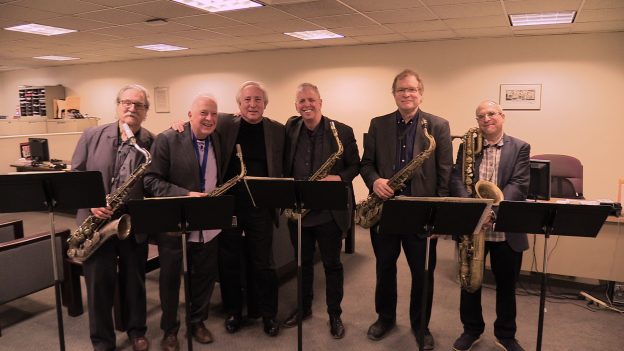
This video is a behind-the-scenes look into the world of the players who are the foundation of any full reed section—whether in a pit band, big band, movie soundtrack, or a symphonic setting. The low reeds set the pitch center and help determine the overall volume, balance and rhythmical stability of any woodwind ensemble. The players of this “chair” also must have the type of personality that allows them to be flexible when working with lead players of a woodwind section in order to mimic their pitch, phrasing and rhythmic feeling. These are three of the best artists at all of these responsibilities that I have met in my career. This video allows the viewer to understand the levels of excellence and versatility that Reed V players must demonstrate on the baritone saxophone, bassoon and bass clarinet—the instruments that orchestrators tend to emphasize when writing for Reed V.
Continue Reading →
Also available as a podcast. During the 35-year period that I have worked in musical theater, I have encountered a few conductors who carried forth their responsibilities with not only great talent and integrity but also created a positive feeling within the orchestra and cast. The three gentlemen interviewed here represent that type of individual Continue reading →
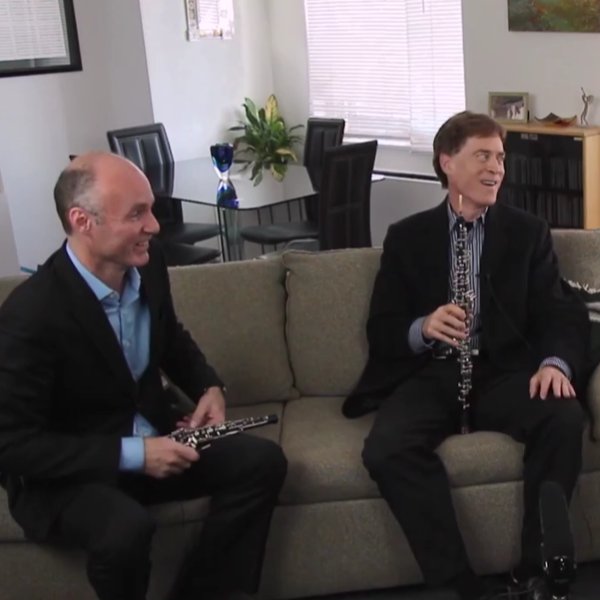
Also available as a podcast. This video interview with Rick Heckman & Dan Willis offers rare insight into the world of the double reed doubler. Rick & Dan discuss the nature of what today’s oboe doublers encounter on the job and offer solutions to performance problems. They also describe what they emphasize in their practice Continue reading →
Also available as a podcast. I met Larry Guy a number of years ago while freelancing around New York. Larry was always a colleague in the truest sense of the word—a team player and positive influence in the section whether playing principal, second or auxiliary clarinet. His sense of elegance in playing and professionalism on Continue reading →
Also available as a podcast. In this video segment, Keith Underwood provides invaluable information on historical flutes, recordings, exercises and a variety of other topics. He plays several of his historical instruments, including flutes previously owned by Tom Nyfenger and Albert Tipton. He also references recordings/videos by some of his favorite players (Rampal, Baker, Kincaid, Continue reading →
Also available as a podcast. I first met Keith when both he and I were studying flute with Tom Nyfenger in the late 1970s. He was one of Tom Nyfenger’s prized students and would sub for Tom on gigs, often with little upfront notice. Nyfenger recognized Keith’s tremendous technical prowess and ability to handle almost Continue reading →
Also available as a podcast. Jerry Dodgion was the first great lead alto saxophonist I experienced in a live setting when he headed the formidable saxophone section of the Thad Jones/Mel Lewis Jazz Orchestra beginning in the early 1970s. He made it all seem so easy and fun at the same time and I’ve never Continue reading →
Also available as a podcast. Charles McPherson has been a musical hero of mine for decades. The fact that we have become good friends over the past 15 years has only enhanced my respect for Charles as a musician and as a human being. He is a self-effacing individual who manifests integrity in everything he Continue reading →
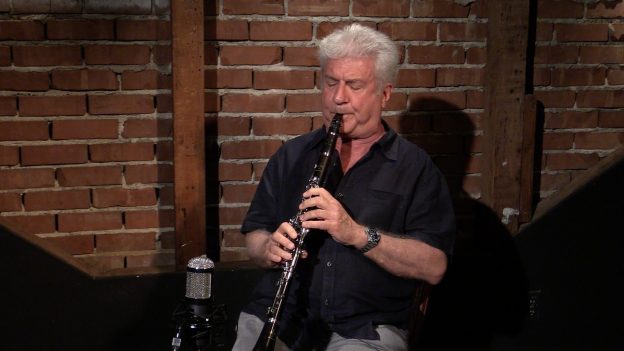
Lawrence Feldman has the rare ability to imitate diverse musical styles on all of his woodwinds with great accuracy. His ability to capture the musical voices of renowned artists such as Dave Sanborn, Johnny Hodges, Michael Brecker, Les Robinson, Paul Desmond, Stan Getz, Benny Goodman, etc. has allowed him to remain a mainstay in the NY recording industry for over 40 years. Lawrence discusses this aspect of his talent and demonstrates on saxophone and clarinet the chameleon-like ability of a first-call studio musician. Continue reading
I’ve known Lawrence Feldman since the mid-1970s, having played in a sax quartet with him for a number of years and worked with him on gigs in New York for close to 40 years. Lawrence is one of those rare birds whose love for music and desire to find new techniques to employ on his instruments has continued to grow after a lifetime of success in the music industry. Whether playing the lead alto chair for the Bob Mintzer Big Band, a classically inspired flute solo on a Tony Bennett record, or a vintage swing clarinet style for a jingle, Lawrence always seems to capture the perfect musical expression. Coupled with a Catskill-like sense of humor, he always brings a unique enthusiasm to any rehearsal or performance. Continue reading